Please click to access the:
Summary of FMCC activity – October 2018
Summary of FMCC activity – September 2018
Summary of FMCC activity – August 2018
Three boaters did the right thing calling for help on their VHF radio when they were taking on water.
They believed they were only 500 metres off Orewa Beach, New Zealand.
But in reality, they were 5 km away.
“They were all wearing life jackets and we’re fairly confident that’s what saved their lives.
“They ended up clinging to the hull for about 40 minutes and if they hadn’t been wearing the life jackets it could have been a much more tragic outcome.”
If they had set out with a personal locator beacon and activated that once they got into trouble, rescuers would likely have been with them in 10 minutes.
Of those rescues, 219 were from the water, 32 were from aviation incidents and 89 were on land, using personal locator beacons, or PLBs.
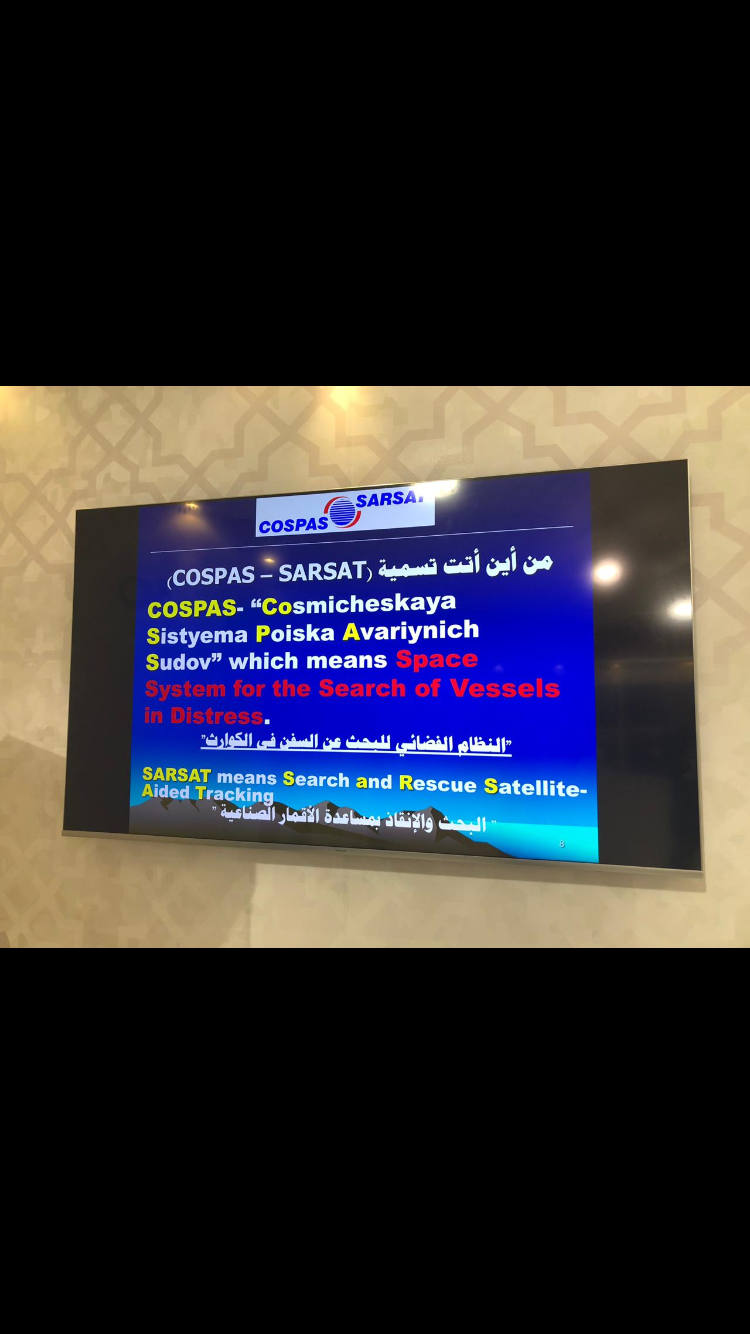
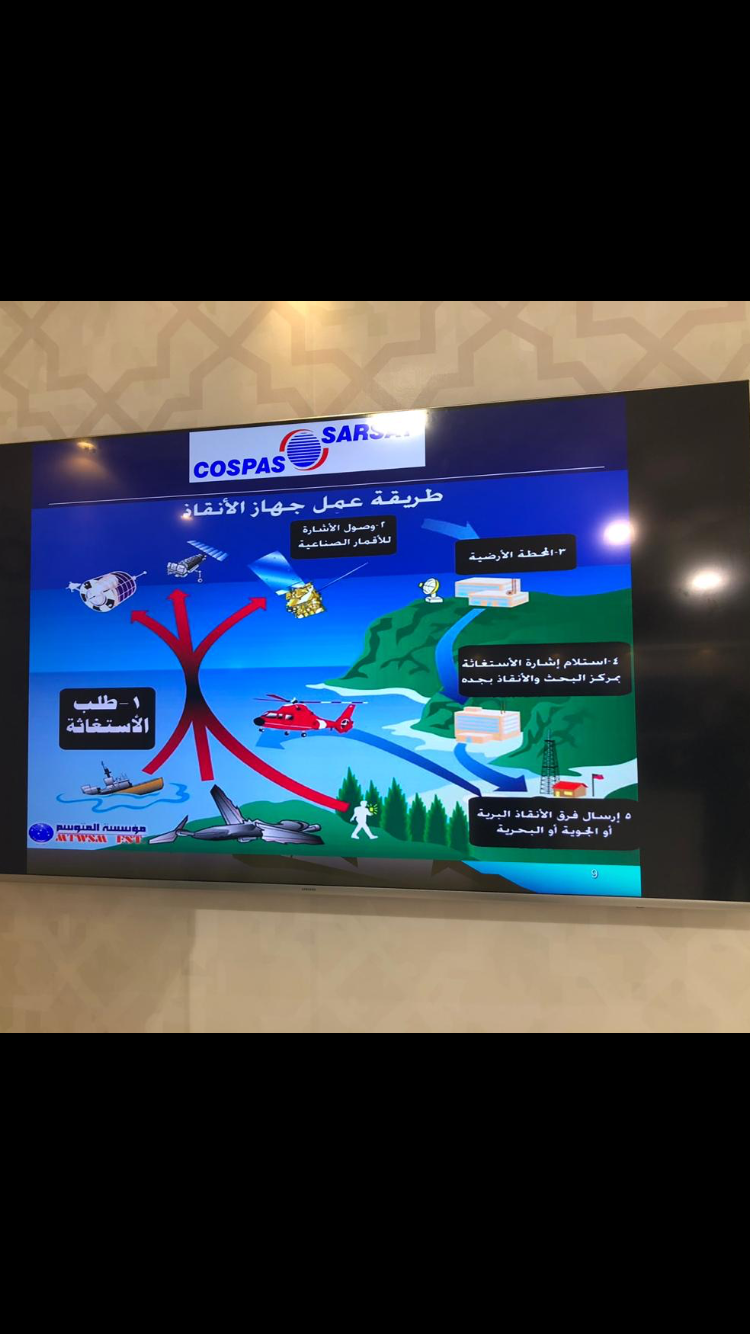
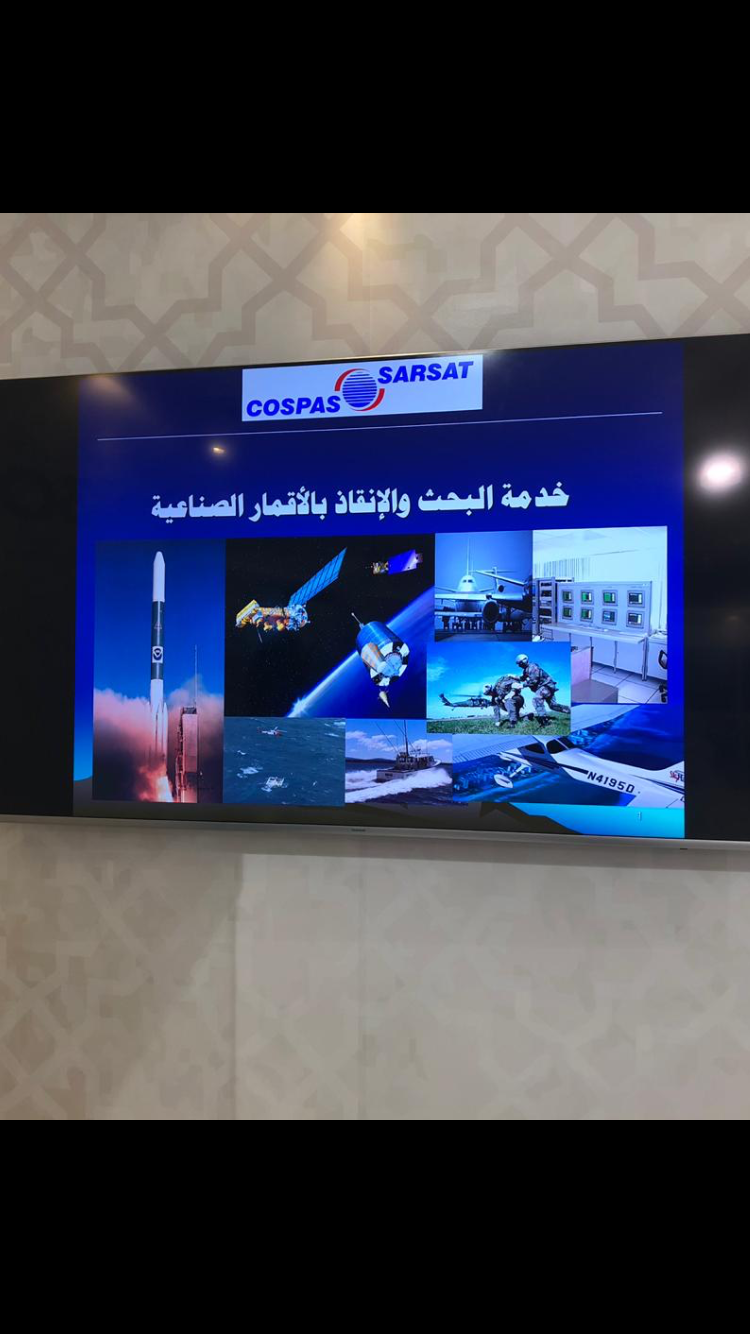
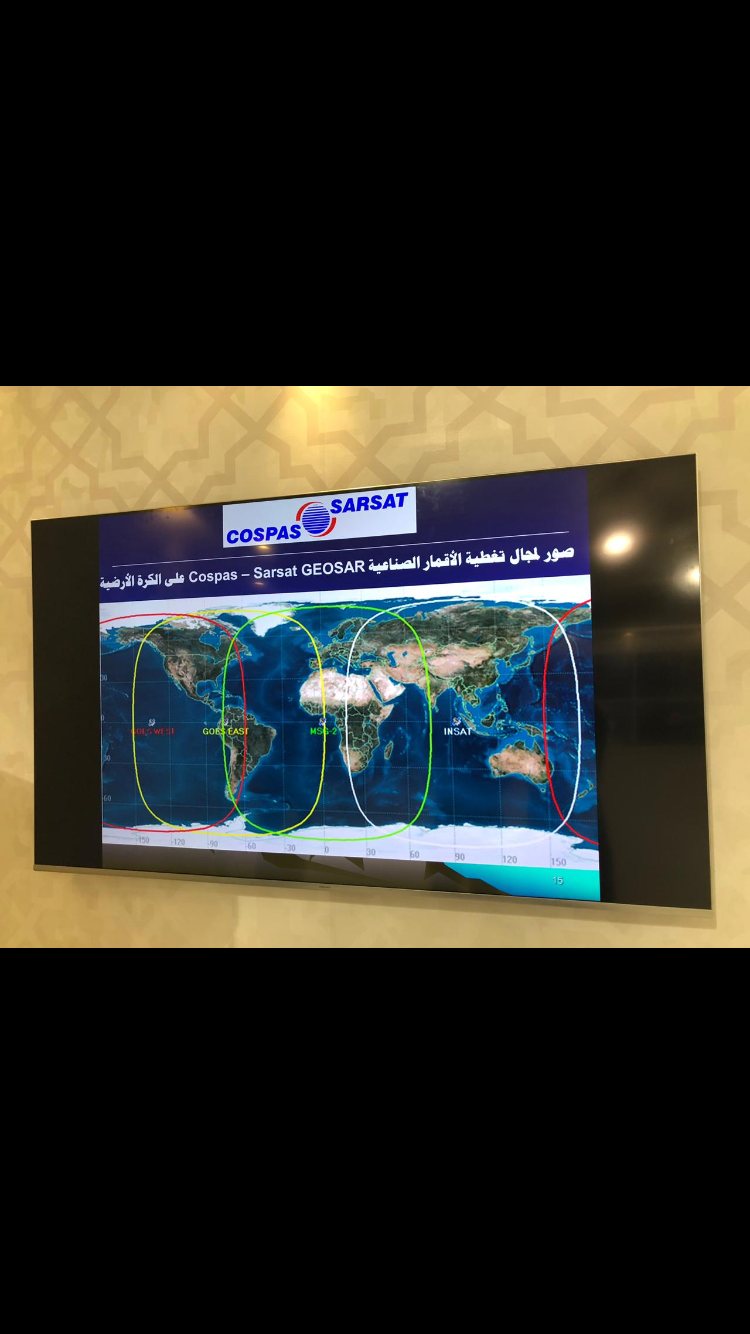
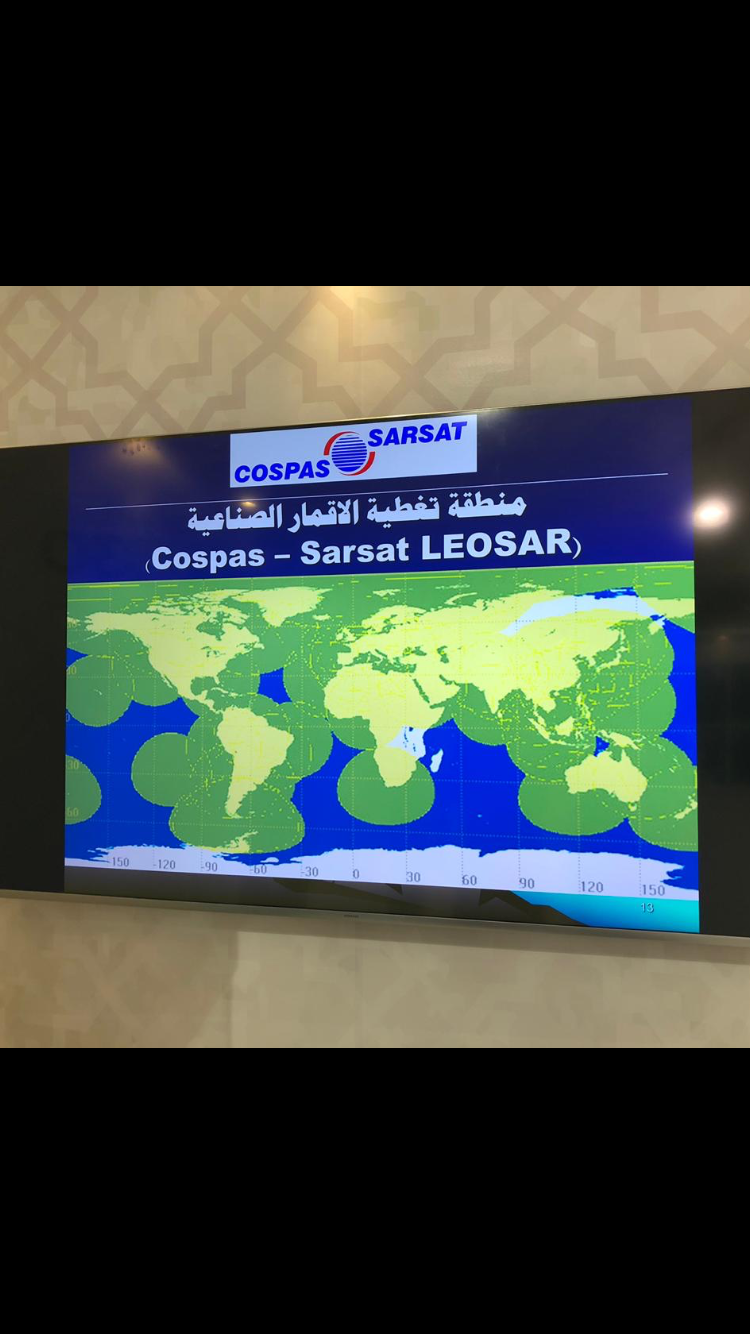
NOAA satellites are part of the global Search and Rescue Satellite Aided Tracking System, or Cospas-Sarsat, which uses a network of U.S. and international spacecraft to detect and locate distress signals from emergency beacons aboard aircraft, boats and from handheld personal locator beacons.
When a NOAA satellite pinpoints the location of a distress signal, the information is relayed to the SARSAT Mission Control Center at NOAA’s Satellite Operations Facility in Suitland, Maryland.
From there, the information is sent quickly to Rescue Coordination Centers, operated either by the U.S. Air Force for land rescues, or the U.S. Coast Guard for water rescues.
Since the Programme’s inception in 1982, Cospas-Sarsat has been credited with supporting more than 43,000 rescues worldwide, including nearly 8,700 in the United States and its surrounding waters.
See the article here: https://techxplore.com/news/2019-02-noaa-satellites-people.html
For more information and up-to-date statistics, see https://www.sarsat.noaa.gov/
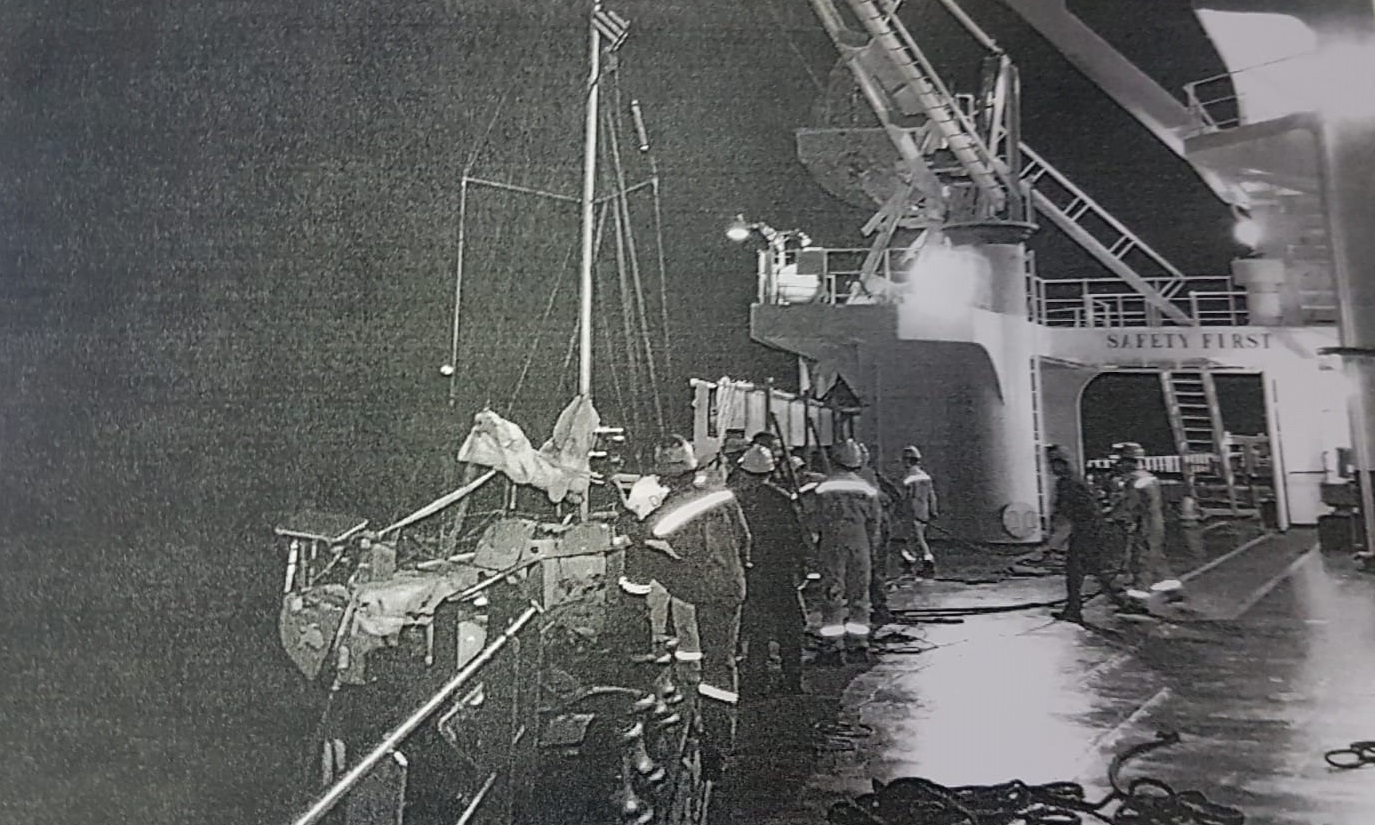
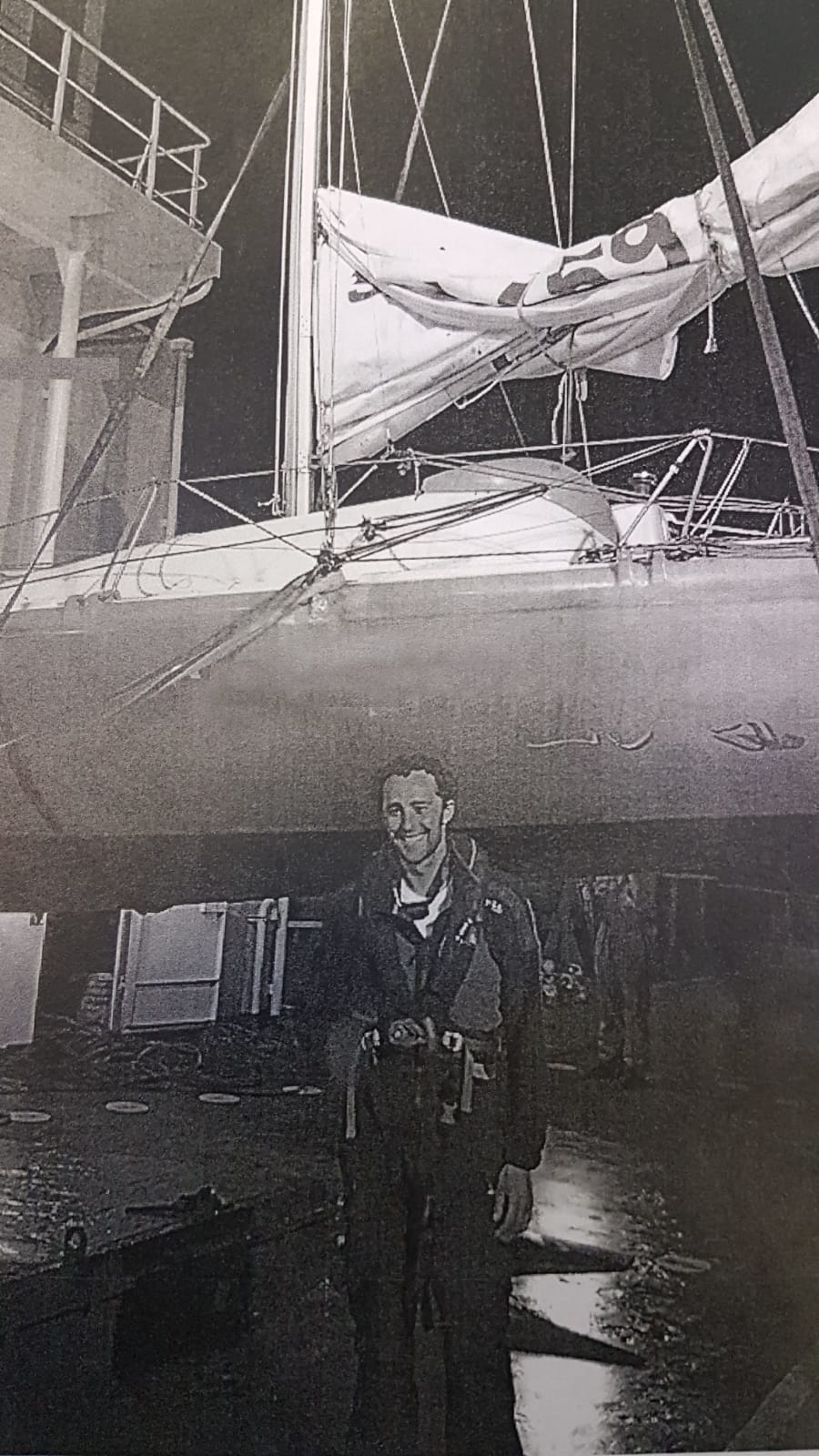
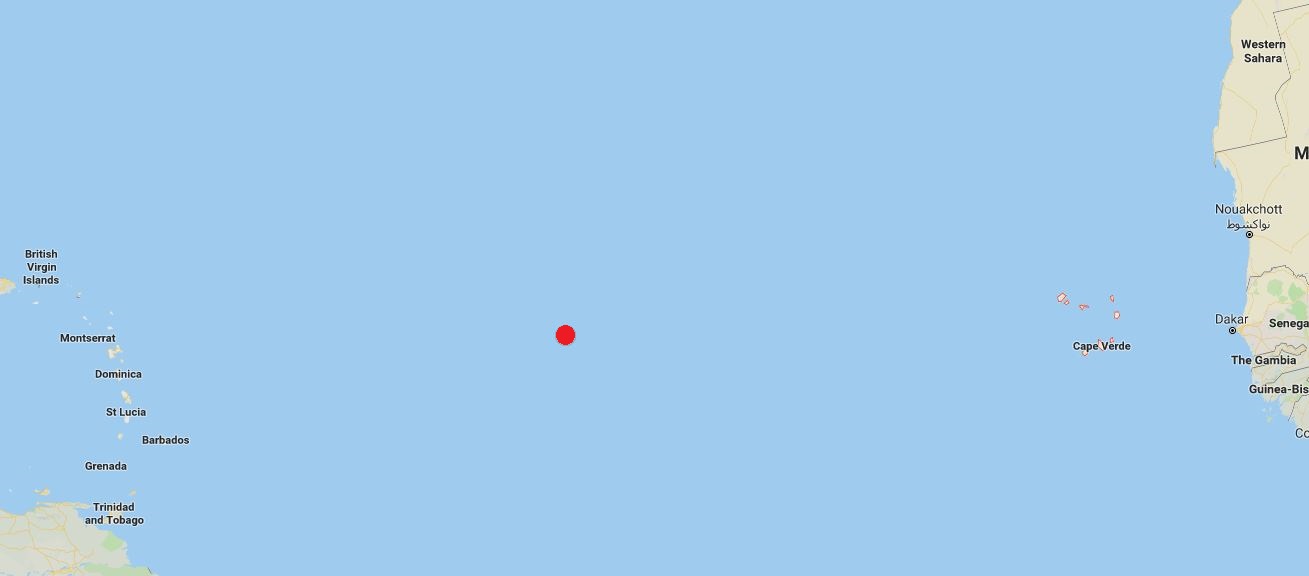
On 1 February 2019, 1,240 miles east of Puerto Rico in the Antilles, Atlantic Ocean, a lone Italian yachter in his 6.5-metre vessel was en route from Cape Verde to the Bahamas.
His keel broke, and he set off his Cospas-Sarsat 406 EPIRB.
The Cospas-Sarsat alert was received by MRCC Fort de France and was the first and only alert in the case.
The MRCC Fort de France worked in coordination with the MRCC Roma, and tasked an oil tanker that was en route from the USA to Singapore to his aid.
The tanker was diverted and took ten hours to arrive, rescuing both the yachter and his craft, transporting them to Singapore for pickup.
The Rescue Coordination Centre received an alert six minutes after it was sent from a 406 distress beacon at 11am from a boat located 12 miles west of Cape Foulwind.
A search and rescue helicopter was sent out and found the man in a life raft. They airlifted him to hospital for a medical check.
“We don’t know what communications he had on the fishing vessel, or if he had time to use the radio to make a distress call.
“The beacon allowed for a swift response and a successful rescue.”
The man had distress beacons on the boat and the life-raft, but the one on the life raft was not registered.
“If a beacon is registered we can contact family members and find out more about the situation that might help the rescue.”
The harbourmaster said he did not know how the fire started.
Read more here:
https://www.nzherald.co.nz/nz/news/article.cfm?c_id=1&objectid=12204302
https://www.stuff.co.nz/national/110632627/man-saved-from-burning-fishing-vessel-off-westport
The organization is urging fishermen with an unregistered beacon aboard their vessel to get it registered as soon as possible.
“A lot of people don’t realize that when you’re selling your boat or transferring it, that’s a point where you absolutely have to re-register your beacon to the new owner.”
“Are they doing maintenance on their boat? What are the circumstances surrounding this activation?
“Most of the time it’s an accidental activation and that allows us to close that (incident) off and we know right away if there’s distress or not.
“Doing that helps us to keep our resources ready for when there’s actually people in need.”
Other factors where registration details need to be updated include: if you move, if you want to update emergency contact information, if your phone number changes, or if any of the important information in the registry changes such as colour of vessel.
Read more here:
https://www.kingscountynews.ca/business/coast-guard-urges-boat-owners-to-register-emergency-beacons-282753/
The Australian Central Queensland Helicopter Rescue Service has located a lone fisherman sitting and waving on his upturned boat in the dark 13 km offshore after he activated his EPIRB on Monday morning.
The boat was spotted easily from the air in the dark ocean because of the strobe light that was activated on the EPIRB.
“This is a perfect example of how EPIRBs save lives as well as save rescuer’s time and money.”
“If he didn’t have an EPIRB on board, who knows how long he would have been sitting out there in the water and in the dark before anyone even knew he was in distress.
Activating the beacon meant we knew who and what we were looking for and that we were able to find him quickly and get him to safety.” “He’s really incredible lucky.”
Read more here:
https://www.4mk.com.au/news/local-news/113583-embattled-boatie-located-east-of-mackay
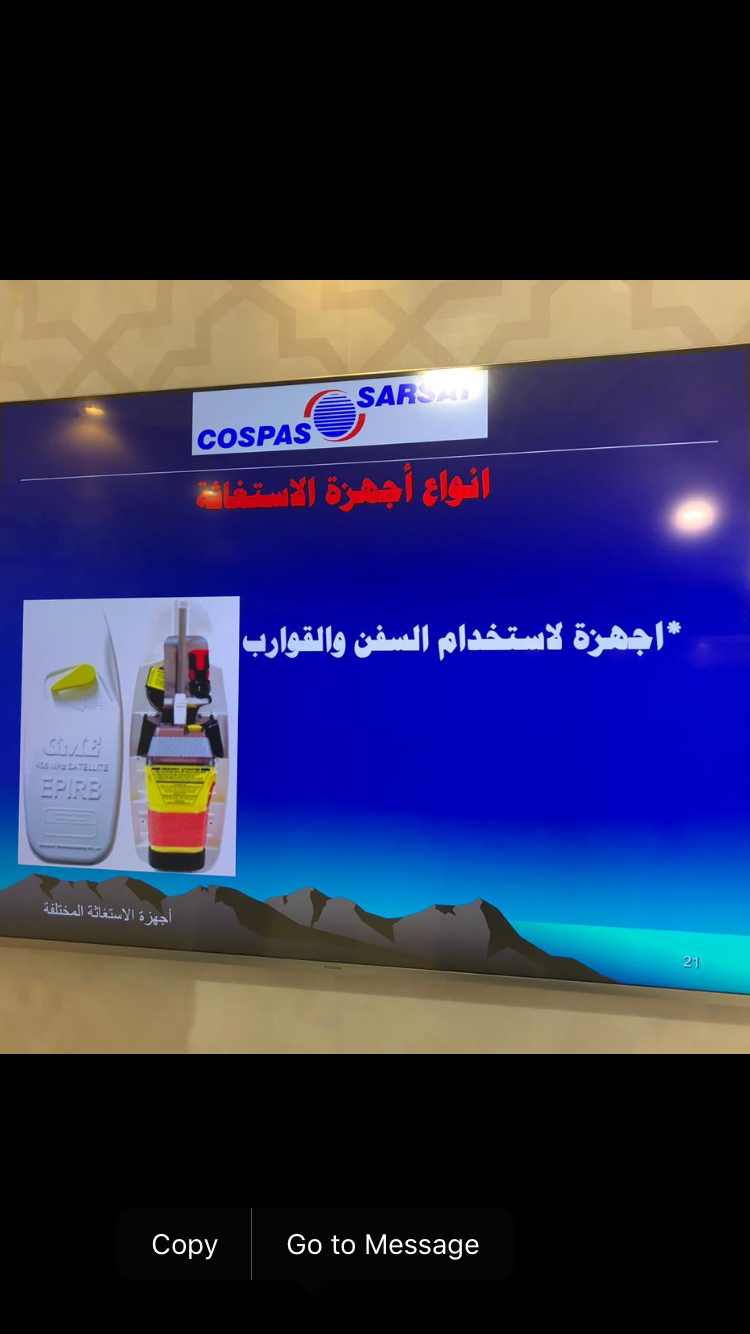
The Saudi Arabian Mission Control Center together with experts of the National Centre for Security Operations (NCSO) of the Ministry of the Interior exhibited the Cospas-Sarsat System to the general public during the 33rd Janadriyah Festival in Riyadh.
The purpose-built Al Janadriyah village showcased regional culture, architecture and traditional foods, dance, dress, and crafts; governmental, non-profit and private organizations; and charities.
Qualified Staff were trained and deputed in the NCSO pavilion to provide detailed information on the Cospas Sarsat System, its architecture, availability and services in search and rescue operations.
The enhanced features of Personal Locator Beacons garnered marked appreciation, and the public was briefed on information and data sharing between the SAMCC and NCSO, as well as the PLB registration process.
The experts from the NCSO of the Ministry of the Interior were encouraged by the public interest shown for the Cospas-Sarsat System and are willing to take any future opportunity to further promote and enhance the level of awareness of the general public about the Cospas Sarsat System and its vital role in supporting SAR operations within the kingdom and around the world.
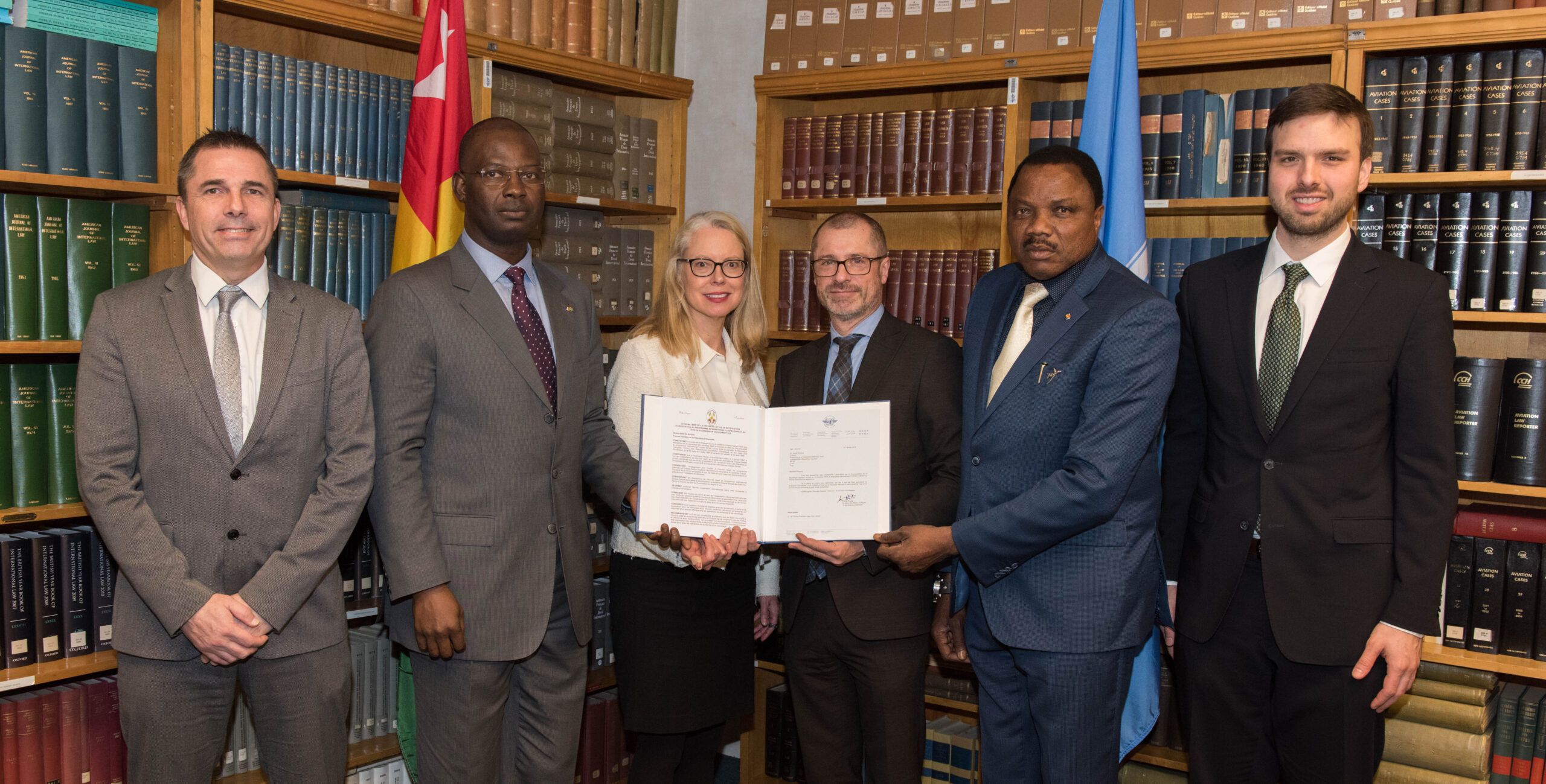
In January 2019, the International Cospas-Sarsat Programme welcomed its newest Participant, the Togolese Republic. With the association of Togo, the number of Participants to the Programme has increased to 45; Malaysia and the State of Qatar associated with the Programme in 2018.
Pictured: Mr Philippe Larhantec (MEOSAR-Togo), Colonel Awoki Panassa (Togo Commission MEOLUT Next) , Ms. Cheryl Bertoia (International Cospas-Sarsat Programme), Mr. Benoit Verhaegen (ICAO Legal Affairs and External Relations Bureau), Colonel Dokissime Gnama Latta (Togo Commission MEOLUT Next), and Mr. Mathieu Vaugeois (ICAO Legal Affairs and External Relations Bureau).
The men ran out of fuel and were becoming dehydrated while waiting for passers-by.
The incident should prompt others to ensure they check their boats, have enough fuel and a plan before heading out on the water.
Always check that your 406 beacon and safety equipment is up-to-date, as well as your registration information.
Read more here: