Please click on either of the links below for details.
Printable pdf version with images
Web version with images
Please click on either of the links below for details.
Printable pdf version with images
Web version with images
The party of three were traversing a washout area on a trail in the southern Urewera National Park, New Zealand, when the woman slipped and fell down a steep shale slope, sustaining injuries to her head, neck, chest and ankles.
“This is a very isolated part of the country, with no cellphone coverage.”
“Without a PLB, it would have taken a considerable amount of time for the party to raise the alarm”.
Read more here:
http://gisborneherald.co.nz/localnews/2175178-135/injured-woman-rescued-from-ureweras
The number of registered distress beacons in New Zealand increased sharply, by 20 per cent in 2015.
“We have been promoting distress beacons as one of the most reliable ways of signaling that you need help in an emergency, and I think the message is getting through.”
A key part of the system is registering your distress beacon and keeping your details up to date.
Read more here:
http://www.scoop.co.nz/stories/AK1602/S00085/10000-more-distress-beacons.htm
Coast Radio Melbourne received a VHF voice call from a 12.6 metre yacht with four persons on board with a steering failure approximately 4nm south east of Grassy Harbour, King Island.
The situation onboard deteoriated with the yacht reported taking water, and the boaters activated their EPIRB as well as four PLBs.
JRCC Australia declared a distress phase, sending a plane and two helicopters to get them and a local fishing operator also responded to the callout.
Read more here:
http://www.abc.net.au/news/2016-02-04/four-men-rescued-from-bass-strait-after-yacht-hits-reef/7139766
This tax break is intended to improve the efficiency of maritime safety and environmental protection.
The Polynesian Maritime Affairs Directorate plans to require EPIRBs on all fishing vessels, but also some cargo vessels and pleasure craft, in order to replace less effective equipment such as flares.
Read more here:
http://www.tahiti-infos.com/Les-balises-de-detresse-exonerees-de-droits-et-taxes-a-l-importation_a143977.html#
The lone fisherman was far from his crew, 150 km east of Mackay, Central Queensland, Australia when his motor broke down and they reported him missing.
Stranded overnight, he activated his EPIRB and RACQ-CQ Rescue was already en route, so they saved valuable time and money on pinpointing his location.
Read more here:
http://www.whitsundaytimes.com.au/news/fisherman-rescued-after-being-stranded-overnight-s/2919520/
Please click to access the Summary of FMCC activity – December 2015.
Just over twenty-five years ago, a global System exercise was conducted to demonstrate the quality of detection and processing of transmissions from 406-MHz beacons.
All of the 59 beacon activations tested around the world over a five-day period were detected and located.
98% of the available beacon data was acquired by the System, an increase from 95% in 1986.
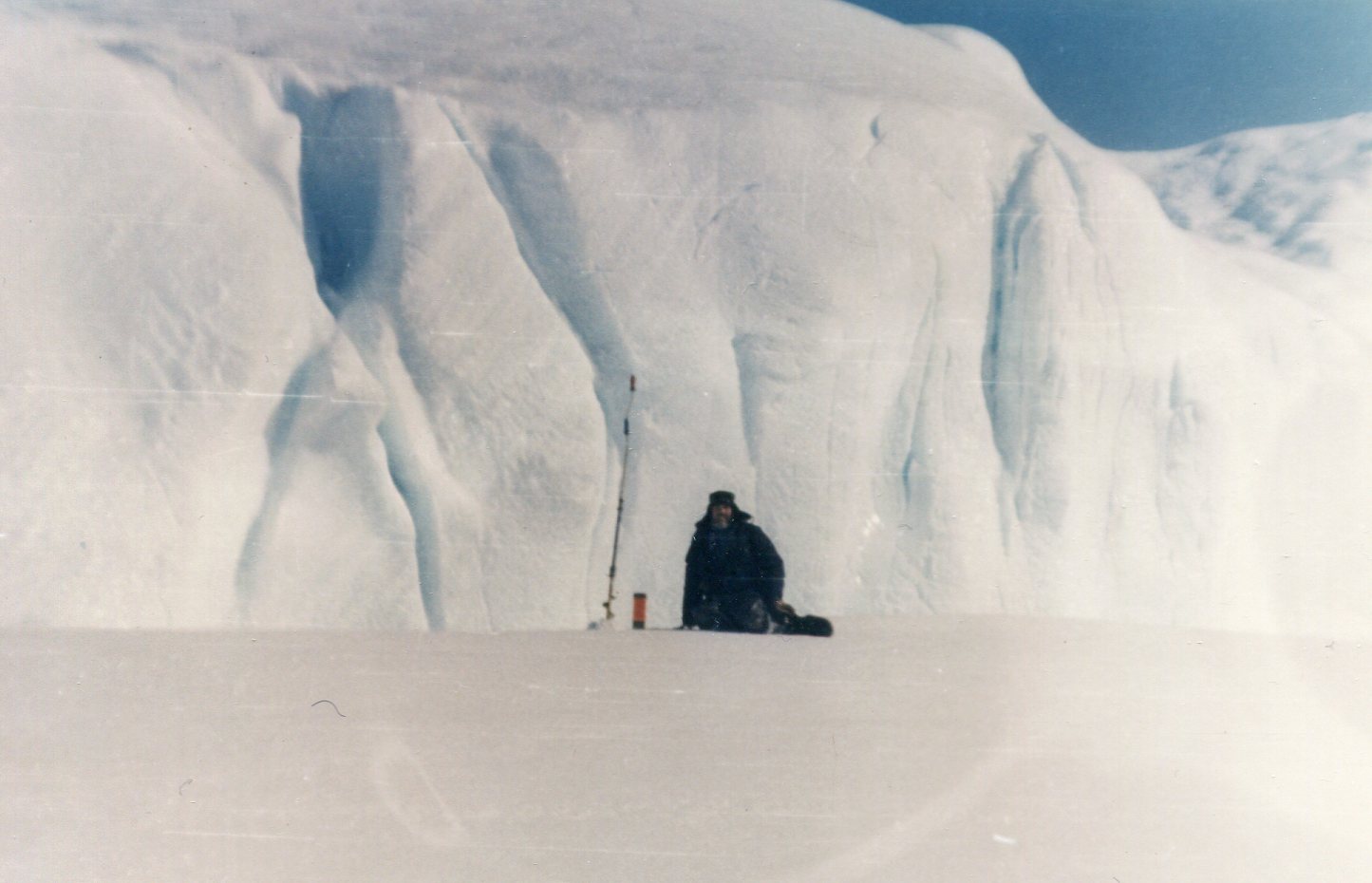
The photo below shows one of the beacons being activated in Antarctica (South Pole) during the “Exercise-1990”.
Please find the link here to the ITMCC Service Area – Monthly Activity Report – December 2015
Two cyclists received a distress beacon for Christmas and it wasn’t long before they found a need for it.
The couple had ridden in Pureora Forest Park near Taupo, New Zealand before, but got completely lost , and received a timely rescue after setting off their beacon despite not having yet registered it.
Registering a beacon promptly upon receipt or purchase can provide rescuers with access to important emergency contact and other information, which could aid in a timely rescue.
Read more here:
http://www.scoop.co.nz/stories/AK1601/S00102/christmas-beacon-saves-day-for-cyclists.htm